Best Peptides for Diabetes & Blood Sugar (2026 Guide)
A comprehensive guide to the best peptides for Type 2 diabetes management, A1C reduction, and blood sugar control. Covers FDA-approved GLP-1 receptor agonists, dual and triple agonists, and next-generation oral peptides with evidence ratings and clinical trial data.
Overview
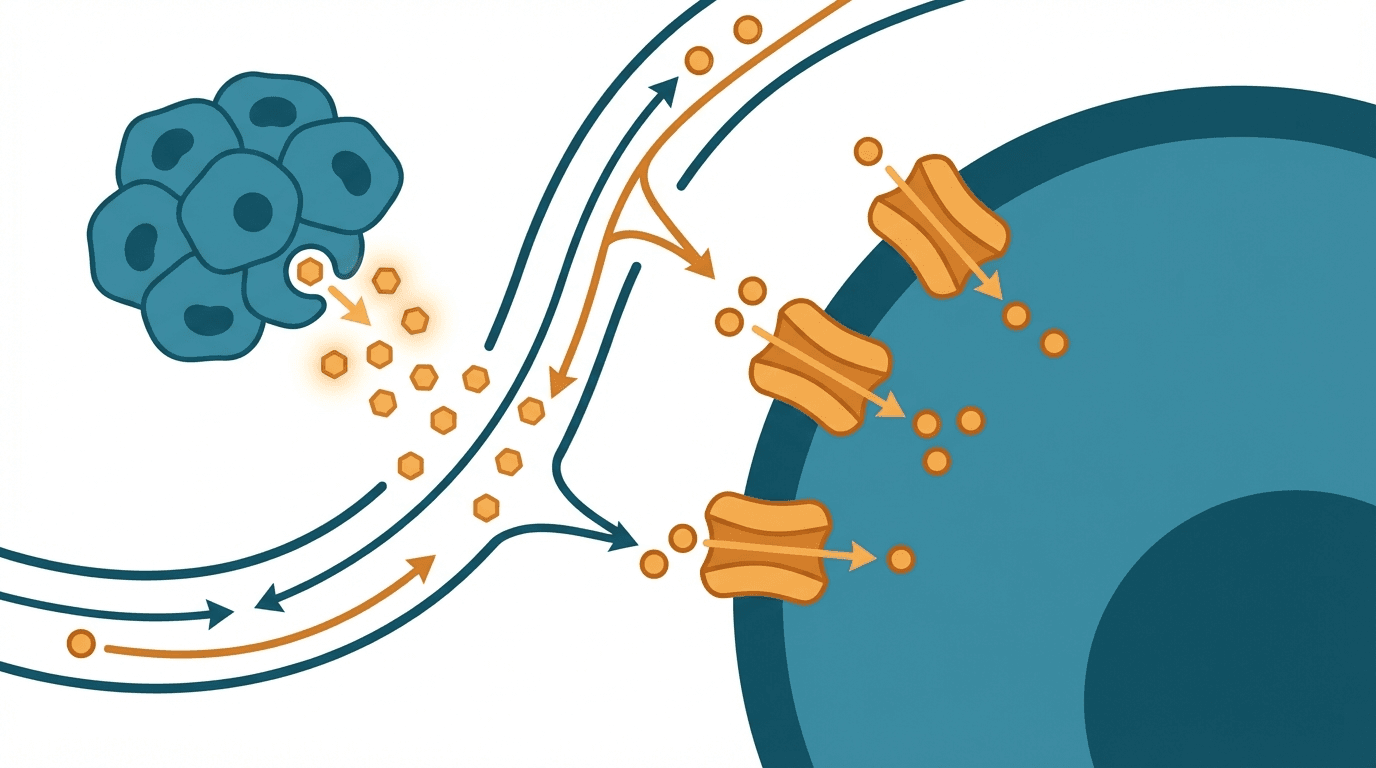
GLP-1 receptor agonists have fundamentally transformed Type 2 diabetes treatment, delivering A1C reductions of 1.5–2.4% alongside significant weight loss — outcomes that were previously unachievable with a single drug class. The field is now advancing rapidly beyond first-generation GLP-1 agonists like Liraglutide toward dual agonists (Tirzepatide targets GIP+GLP-1), triple agonists (Retatrutide targets GIP+GLP-1+glucagon), and oral formulations (Orforglipron) that eliminate injection burden entirely. These peptides work by restoring the impaired incretin effect that characterizes Type 2 diabetes, enhancing glucose-dependent insulin secretion, suppressing inappropriate glucagon release, slowing gastric emptying, and improving beta cell function — with some agents showing potential for disease modification rather than merely symptom management.
Best Peptides for Diabetes & Blood Sugar
Mechanism: GLP-1 receptor agonist with 94% homology to native GLP-1, acylated with a C18 fatty acid chain for albumin binding that extends half-life to ~7 days, enabling once-weekly dosing
Key benefit: FDA-approved for Type 2 diabetes (Ozempic) with A1C reductions of 1.5–1.8% and proven cardiovascular risk reduction in the SUSTAIN-6 and SELECT trials
Mechanism: First-in-class dual GIP/GLP-1 receptor agonist that activates both incretin pathways simultaneously, with a biased GIP receptor agonism that enhances insulin sensitivity beyond what GLP-1 alone achieves
Key benefit: Superior A1C reduction vs. semaglutide (up to 2.4% reduction) with 46% of patients achieving A1C below 5.7% (non-diabetic range) in the SURPASS trials
Mechanism: GLP-1 receptor agonist with 97% homology to native GLP-1, acylated with a C16 fatty acid for albumin binding that extends half-life to ~13 hours, requiring once-daily injection
Key benefit: First GLP-1 agonist with proven cardiovascular benefit (LEADER trial), FDA-approved for both Type 2 diabetes (Victoza) and obesity (Saxenda) with extensive long-term safety data
Mechanism: Triple agonist targeting GIP, GLP-1, and glucagon receptors simultaneously — the glucagon component adds hepatic fat oxidation and thermogenesis to the incretin effects of dual agonism
Key benefit: Phase 2 data showed up to 24.2% body weight reduction and A1C reductions of 2.02% at 48 weeks, with the glucagon component providing additional liver fat reduction relevant to NAFLD/NASH comorbidity
Mechanism: Dual GLP-1/glucagon receptor agonist that combines incretin-mediated glucose control with glucagon-driven hepatic lipid oxidation and energy expenditure
Key benefit: Phase 2 trials demonstrated significant liver fat reduction (up to 80% relative reduction) alongside metabolic improvements, positioning it for NASH and diabetes comorbidity treatment
Mechanism: Non-peptide oral GLP-1 receptor agonist that avoids enzymatic degradation in the GI tract, enabling once-daily oral dosing without the absorption enhancers required by oral semaglutide (Rybelsus)
Key benefit: Phase 2 data showed A1C reductions up to 2.1% and weight loss up to 14.7% with a simple once-daily oral tablet — potentially eliminating injection barriers to GLP-1 therapy adoption
Quick Comparison
| Peptide | Efficacy | Key Benefit | Profile |
|---|---|---|---|
| Semaglutide | high | FDA-approved for Type 2 diabetes (Ozempic) with A1C reductions of 1.5–1.8% and proven cardiovascular risk reduction in the SUSTAIN-6 and SELECT trials | View → |
| Tirzepatide | high | Superior A1C reduction vs. semaglutide (up to 2.4% reduction) with 46% of patients achieving A1C below 5.7% (non-diabetic range) in the SURPASS trials | View → |
| Liraglutide | high | First GLP-1 agonist with proven cardiovascular benefit (LEADER trial), FDA-approved for both Type 2 diabetes (Victoza) and obesity (Saxenda) with extensive long-term safety data | View → |
| Retatrutide | emerging | Phase 2 data showed up to 24.2% body weight reduction and A1C reductions of 2.02% at 48 weeks, with the glucagon component providing additional liver fat reduction relevant to NAFLD/NASH comorbidity | View → |
| Survodutide | emerging | Phase 2 trials demonstrated significant liver fat reduction (up to 80% relative reduction) alongside metabolic improvements, positioning it for NASH and diabetes comorbidity treatment | View → |
| Orforglipron | emerging | Phase 2 data showed A1C reductions up to 2.1% and weight loss up to 14.7% with a simple once-daily oral tablet — potentially eliminating injection barriers to GLP-1 therapy adoption | View → |
References
- Semaglutide and cardiovascular outcomes in patients with type 2 diabetes (SUSTAIN-6) (2016) — PubMed
- Tirzepatide versus semaglutide once weekly in patients with type 2 diabetes (SURPASS-2): a randomised, open-label, superiority trial (2021) — PubMed
- Liraglutide and cardiovascular outcomes in type 2 diabetes (LEADER trial) (2016) — PubMed
- Retatrutide, a GIP, GLP-1 and glucagon receptor agonist, for people with type 2 diabetes: a randomised, double-blind, placebo and active-comparator-controlled, parallel-group, phase 2 trial (2023) — PubMed
- Orforglipron (LY3502970), a novel oral non-peptide GLP-1 receptor agonist: a phase 2 randomised clinical trial for obesity (2023) — PubMed
- Survodutide (BI 456906), a dual glucagon/GLP-1 receptor agonist, in patients with NAFLD: a phase 2 randomised trial (2023) — PubMed
Frequently Asked Questions
What are the best peptides for lowering A1C?
How do GLP-1 receptor agonists lower blood sugar?
What is the difference between Tirzepatide and Semaglutide for diabetes?
What are the next-generation diabetes peptides in development?
Can GLP-1 peptides cause hypoglycemia?
Are diabetes peptides covered by insurance?
Explore next
- SemaglutideFDA-approved for Type 2 diabetes (Ozempic) with A1C reductions of 1.5–1.8% and proven cardiovascular risk reduction in the SUSTAIN-6 and SELECT trials
- TirzepatideSuperior A1C reduction vs. semaglutide (up to 2.4% reduction) with 46% of patients achieving A1C below 5.7% (non-diabetic range) in the SURPASS trials
- LiraglutideFirst GLP-1 agonist with proven cardiovascular benefit (LEADER trial), FDA-approved for both Type 2 diabetes (Victoza) and obesity (Saxenda) with extensive long-term safety data
- RetatrutidePhase 2 data showed up to 24.2% body weight reduction and A1C reductions of 2.02% at 48 weeks, with the glucagon component providing additional liver fat reduction relevant to NAFLD/NASH comorbidity
- Semaglutide dosage guideDetailed semaglutide dosage chart covering weight management titration (Wegovy), type 2 diabetes dosing (Ozempic), and oral semaglutide (Rybelsus). Includes compounded reconstitution instructions, side effect profiles, and cycle guidance based on published STEP trial data.
- Tirzepatide dosage guideComplete tirzepatide dosage chart with titration schedule, dose escalation timeline, reconstitution instructions for compounded forms, and side effect management strategies. Educational reference based on published clinical trial data.
- Retatrutide dosage guideRetatrutide dosage guide covering the investigational triple-agonist peptide's dose escalation schedule from Phase 2 trial data, reconstitution instructions, side effect profile, and comparison context with tirzepatide and semaglutide. Educational reference only — retatrutide is not yet FDA approved.