Best Peptides for Inflammation & Pain (2026 Guide)
A comprehensive guide to the best peptides for reducing chronic inflammation and managing pain. Covers BPC-157, KPV, LL-37, Thymosin Alpha-1, and VIP with evidence ratings, anti-inflammatory mechanisms, and clinical research.
Overview
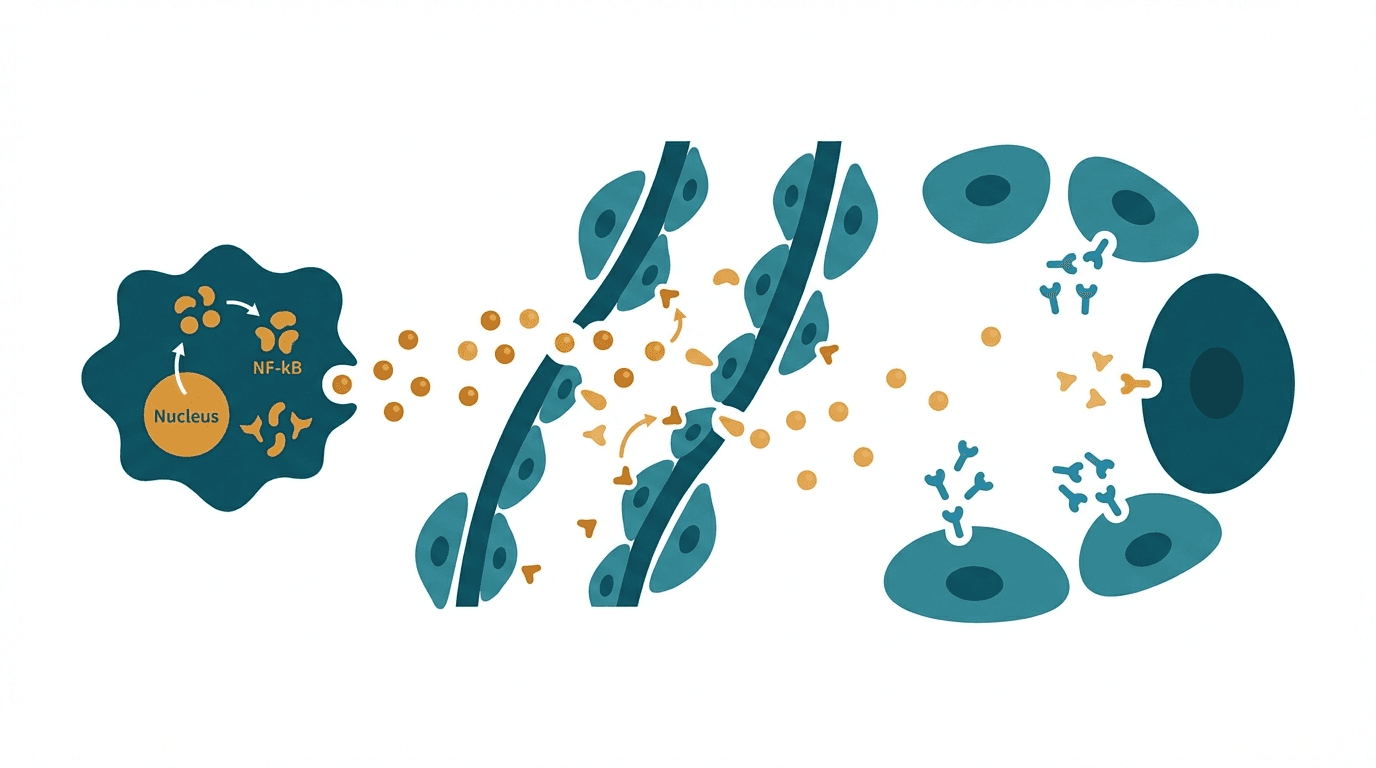
Chronic inflammation is increasingly recognized as a driver of nearly every major disease — from cardiovascular disease and diabetes to neurodegeneration and cancer. While NSAIDs and corticosteroids suppress inflammation broadly (often with significant side effects), peptides offer targeted modulation of specific inflammatory pathways. BPC-157 acts as a master regulator of the nitric oxide system and counteracts NSAID-induced damage, KPV is a potent alpha-MSH-derived tripeptide that inhibits NF-kB directly in inflammatory cells, LL-37 bridges innate immunity and inflammation resolution, Thymosin Alpha-1 orchestrates immune balance between pro- and anti-inflammatory responses, and VIP (vasoactive intestinal peptide) is an endogenous neuropeptide with broad anti-inflammatory properties across multiple organ systems. Together, these peptides represent a shift from blunt immunosuppression toward intelligent immune modulation.
Best Peptides for Inflammation & Pain
Mechanism: Modulates the nitric oxide system, counteracts prostaglandin and leukotriene-mediated inflammation, protects endothelium, and reduces pro-inflammatory cytokines (TNF-alpha, IL-6) while promoting anti-inflammatory IL-10
Key benefit: Broad-spectrum anti-inflammatory with unique ability to counteract NSAID-induced gastrointestinal and organ damage
Mechanism: C-terminal tripeptide of alpha-MSH that enters cells and directly inhibits NF-kB nuclear translocation — the master transcription factor for inflammatory gene expression; acts on melanocortin receptors to reduce inflammatory cytokine production
Key benefit: Potent NF-kB inhibitor particularly effective for gut inflammation, IBD, and mucosal inflammatory conditions
Mechanism: Human cathelicidin antimicrobial peptide that modulates TLR signaling, neutralizes bacterial endotoxin (LPS)-induced inflammation, promotes wound healing, and recruits immune cells while preventing excessive inflammatory responses
Key benefit: Resolves inflammation driven by bacterial infection or endotoxin exposure while maintaining antimicrobial defense
Mechanism: Activates dendritic cells and natural killer cells via TLR9 signaling, promotes Th1/Th2 immune balance, enhances T-regulatory cell function to prevent autoimmune-driven inflammation, and modulates IDO enzyme activity
Key benefit: Restores immune system balance in conditions of chronic immune dysregulation and autoimmune-driven inflammation
Mechanism: Binds VPAC1 and VPAC2 receptors to inhibit macrophage activation, suppress Th1 pro-inflammatory responses, promote Th2 and T-regulatory differentiation, and reduce production of TNF-alpha, IL-6, IL-12, and chemokines
Key benefit: Broad systemic anti-inflammatory with particular relevance to mast cell activation syndrome (MCAS) and biotoxin-related inflammation
Quick Comparison
| Peptide | Efficacy | Key Benefit | Profile |
|---|---|---|---|
| BPC-157 | high | Broad-spectrum anti-inflammatory with unique ability to counteract NSAID-induced gastrointestinal and organ damage | View → |
| KPV | high | Potent NF-kB inhibitor particularly effective for gut inflammation, IBD, and mucosal inflammatory conditions | View → |
| LL-37 | moderate | Resolves inflammation driven by bacterial infection or endotoxin exposure while maintaining antimicrobial defense | View → |
| Thymosin Alpha-1 | moderate | Restores immune system balance in conditions of chronic immune dysregulation and autoimmune-driven inflammation | View → |
| VIP (Vasoactive Intestinal Peptide) | emerging | Broad systemic anti-inflammatory with particular relevance to mast cell activation syndrome (MCAS) and biotoxin-related inflammation | View → |
References
- Stable gastric pentadecapeptide BPC 157: novel therapy in gastrointestinal tract (2011) — PubMed
- KPV, an alpha-melanocyte-stimulating hormone-derived tripeptide, has anti-inflammatory potential in murine models of inflammatory bowel disease (2008) — PubMed
- The human cathelicidin LL-37 — a multifunctional peptide involved in infection and inflammation in the lung (2006) — PubMed
- Thymosin alpha 1 — a peptide immune modulator with a broad range of clinical applications (2010) — PubMed
- Vasoactive intestinal peptide: a neuropeptide with pleiotropic immune functions (2006) — PubMed
Frequently Asked Questions
What is the strongest anti-inflammatory peptide?
Can peptides replace NSAIDs for pain management?
Which peptide is best for gut inflammation?
How do anti-inflammatory peptides differ from immunosuppressant drugs?
Are anti-inflammatory peptides safe for long-term use?
Explore next
- BPC-157Broad-spectrum anti-inflammatory with unique ability to counteract NSAID-induced gastrointestinal and organ damage
- KPVPotent NF-kB inhibitor particularly effective for gut inflammation, IBD, and mucosal inflammatory conditions
- LL-37Resolves inflammation driven by bacterial infection or endotoxin exposure while maintaining antimicrobial defense
- Thymosin Alpha-1Restores immune system balance in conditions of chronic immune dysregulation and autoimmune-driven inflammation
- BPC-157 dosage guideComprehensive BPC-157 dosage guide covering subcutaneous, intramuscular, and oral administration protocols. Includes reconstitution instructions, cycle guidance, stacking considerations, and references to published preclinical research on this gastric pentadecapeptide.
- KPV dosage guideEducational reference covering KPV tripeptide dosage protocols for gut, systemic, and topical anti-inflammatory applications. Dosing information discussed in published research literature for informational purposes only.
- Thymosin Alpha-1 dosage guideEducational reference covering thymosin alpha-1 (thymalfasin/Zadaxin) dosage protocols, immune support applications, and administration guidelines as discussed in peer-reviewed research literature. For informational purposes only.